Kwasi Asare’s Personal Story
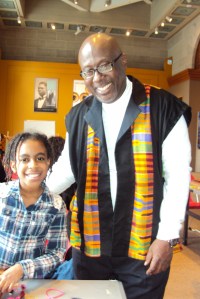
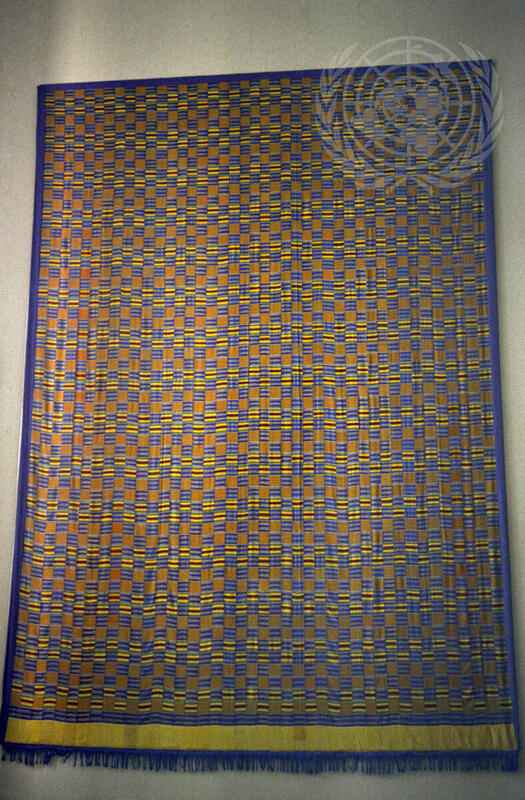
Kwasi Asare was born in a village called Apirede in Akwapim, about 11 miles from Ghana’s capital, Accra. He was destined to follow in the footsteps of his late father, A.E. Asare, who established Dento Mills, a Kente weaving studio in Nsawam, Ghana during the 1950’s. When Ghana’s first President – the great African independence leader Dr. Kwame Nkrumah – first met the elder A.E. Asare and saw his Kente work, he was deeply impressed. For his most important political and ceremonial events, the late Kwame Nkrumah always turned to A.E. Asare to create a special Kente cloth to embody the spirit of the occasion. In October 1962 – at the height of the African independence movement – Kwame Nkrumah arranged for A.E. Asare to create a special Kente cloth to adorn the United Nations headquarters building in New York City.
Although A.E. Asare died when Kwasi was only 2 years old, as a young child Kwasi was naturally drawn to carrying on his father’s tradition. By the time Kwasi was 5 he was playing with the shuttles in the loom. With the help of his father’s assistant, Opanyin Kwame Dappah, Kwasi was given in-depth training and by the age of 12 he was weaving highly intricate designs and adding his own unique and innovative color schemes. In between his formal schooling, Kwasi always made time for the Kente looms. After graduating from Ghana’s Achimota High School, Kwasi enrolled in the University of Hertfordshire in England, where he earned a Bachelor of Science degree with Honors in Mathematics; yet he always maintained his passion for weaving and his involvement with the Dento Mills studio. Through sheer determination, vision and his boundless love for the craft, Kwasi revitalized his father’s dwindling weaving center by the time he was 25.
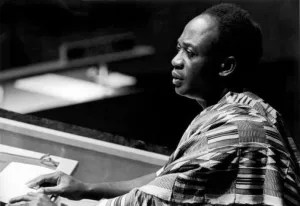
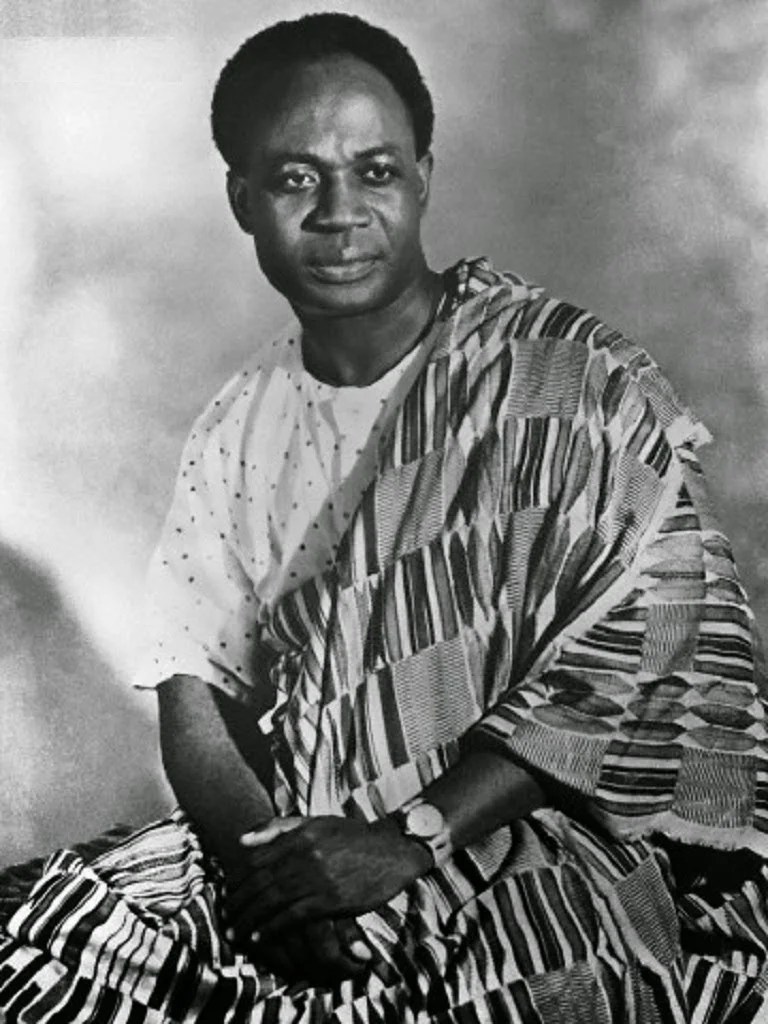

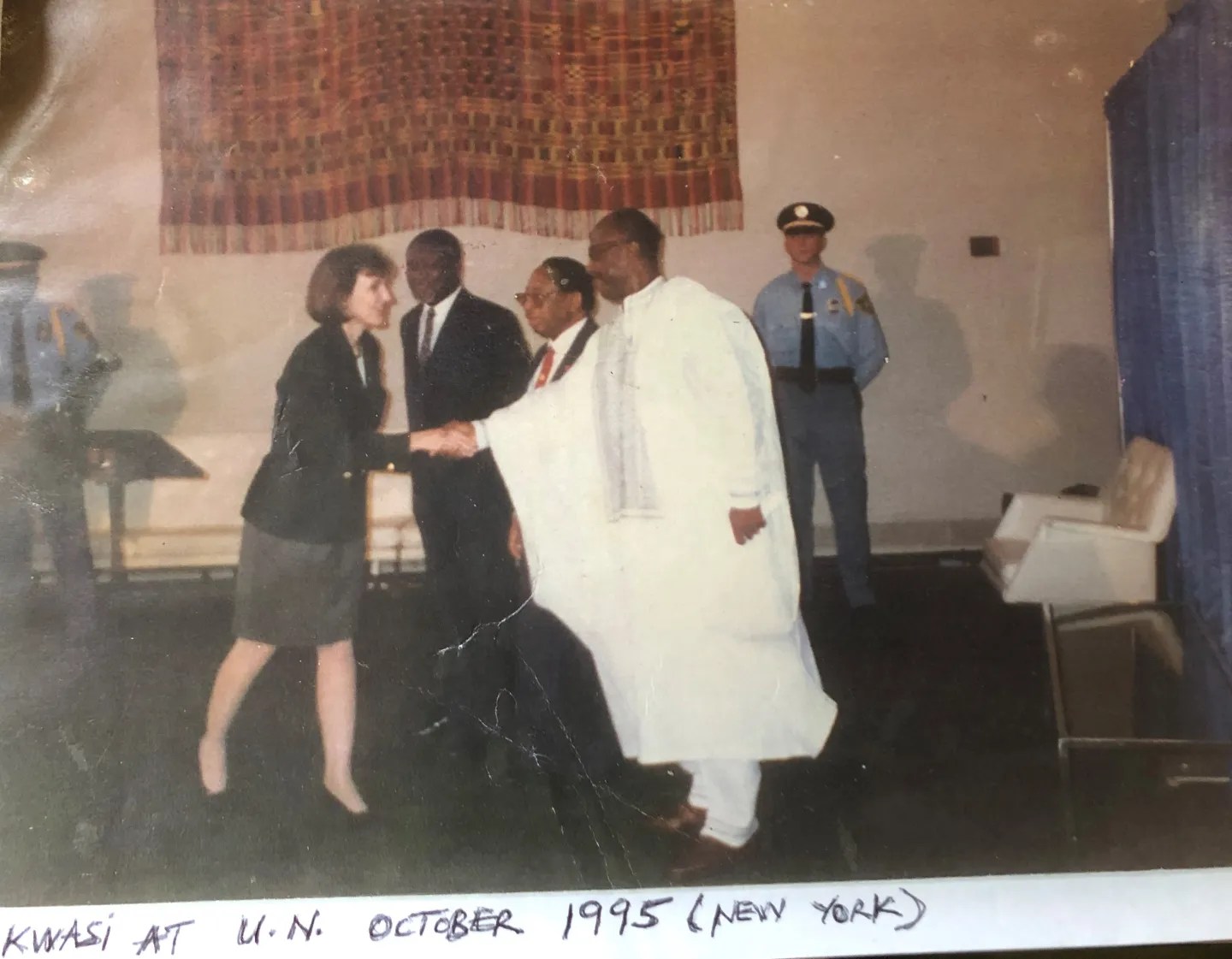
Kwasi Asare, A.E. Asare and the United Nations
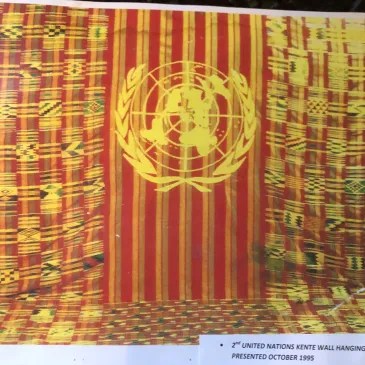
For the United Nations 50th Anniversary in October 1995, Kwasi Asare was commissioned to create a new design of the Kente cloth which he called “Adwene Asa” meaning “Consensus has been reached.” The Adwena Asa was hung in the United Nations General Assembly, replacing the original Kente artwork created by his father, A.E. Asare, over 35 years earlier, as it had become worn and began to fray. The Adwena Asa represents an emblem of diplomacy, peace and compassion and as an aspirational symbol for all the world’s delegates who gather there.
Kente Cloth – Origins, Mythology and Evolution
In many West African folk traditions, the Creative Intelligence of the Universe is envisioned as ANANSI – a mythical spider weaving an interconnected web of all creatures in Nature. ANANSI is a central character in many African stories as a trickster and a teacher, one who dispenses some of the most profound and challenging human lessons in various folk legends.
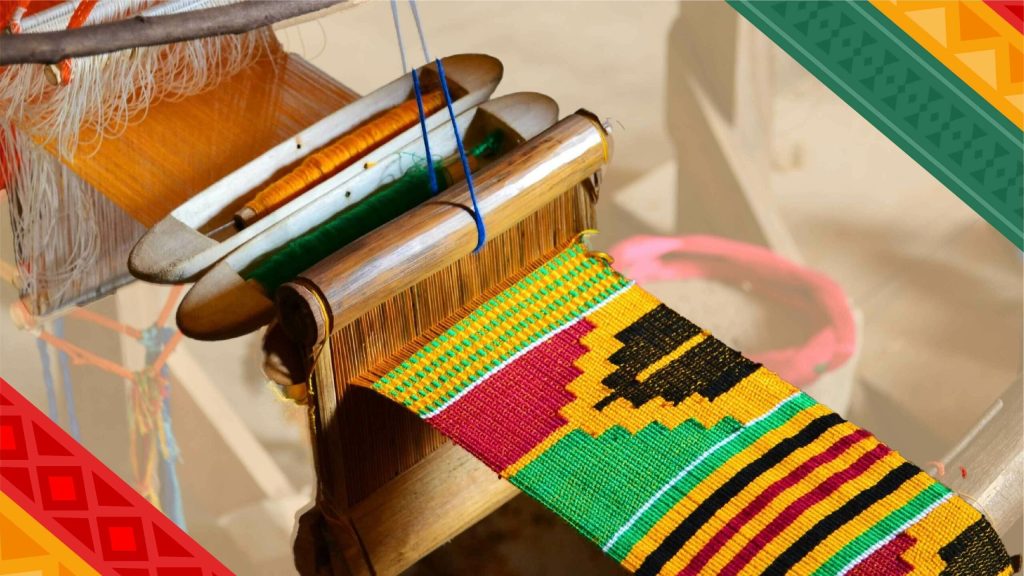
According to legend, Kente weaving originated from two hunters who were taught the craft by observing the spider ANANSI, weaving its web, and brought it back to their village. The Kings of the Ashanti kingdom adopted Kente as a royal cloth for special occasions, and thus, Kente has been associated with royalty, dignity and honor for many centuries in Ghana. In the 20th Century and the New Millennium, Kente has evolved through its contact with African Americans and the African Diaspora and represented the idea that the descendants of the Middle Passage of slavery should see themselves, in fact, as true Kings and Queens because of overcoming the long history of suffering and displacement and that Africanness has its own inherent beauty, dignity and being.
“Our crown has already been bought and paid for. All we have to do is wear it.” – African American author James Baldwin
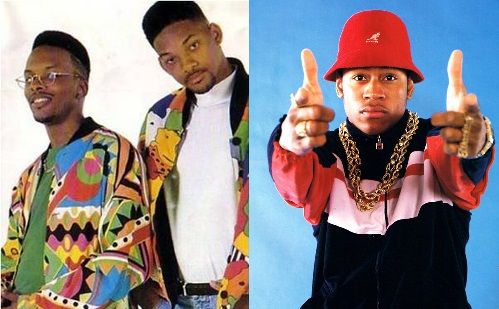
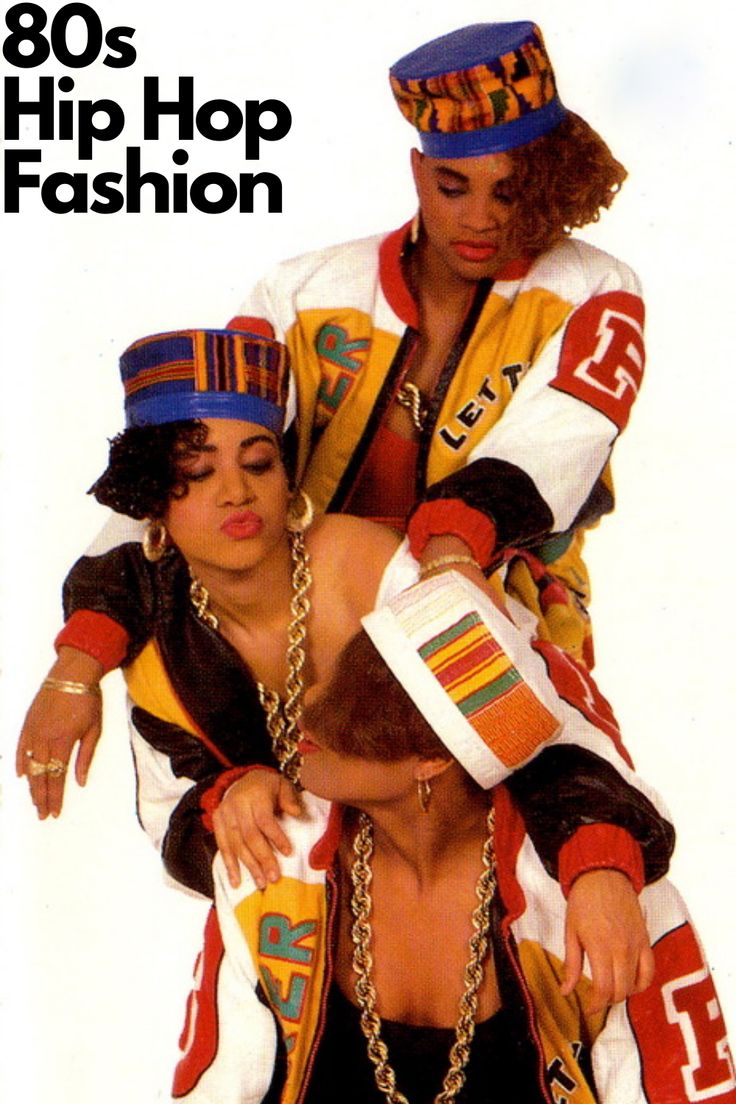
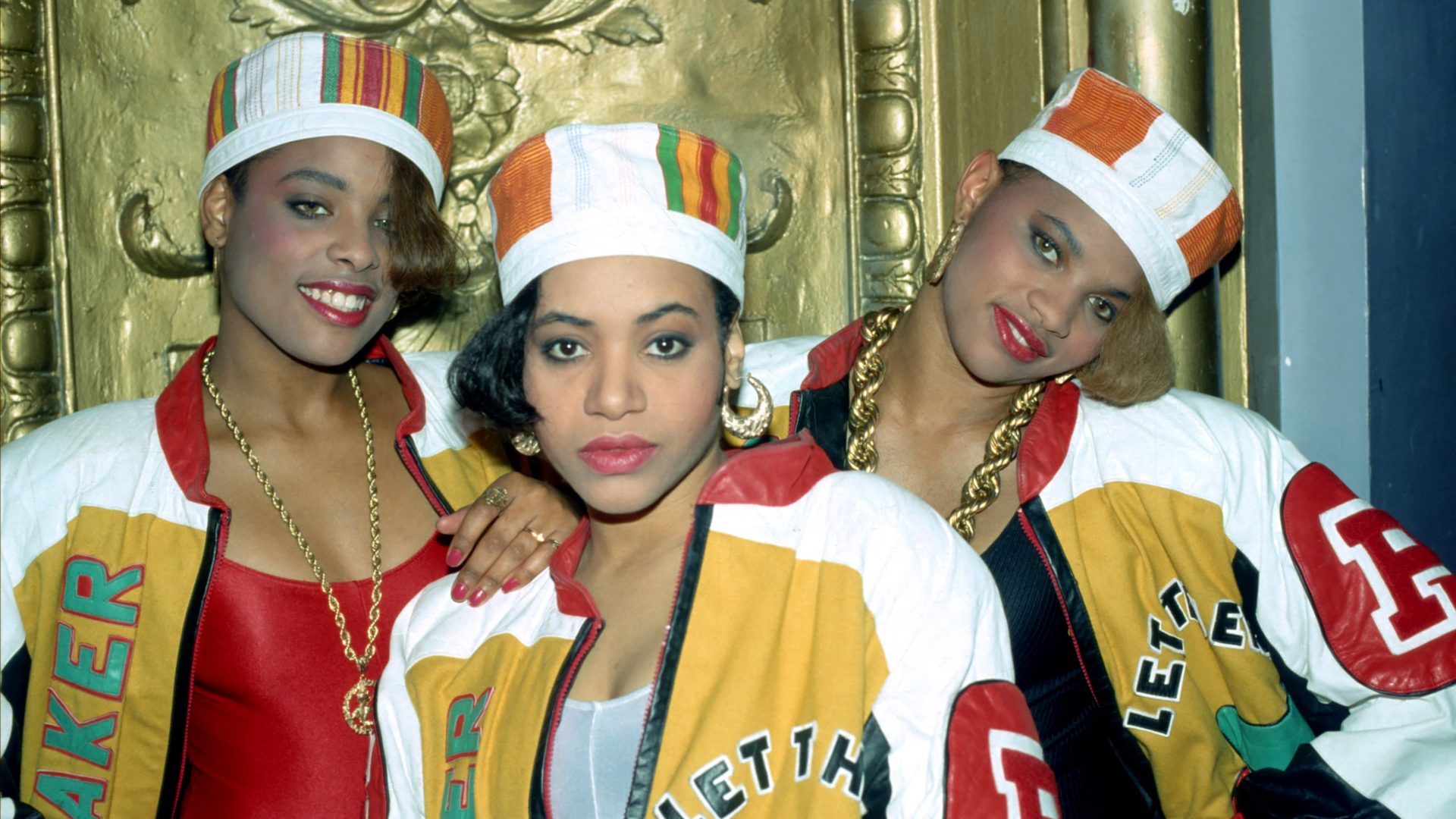
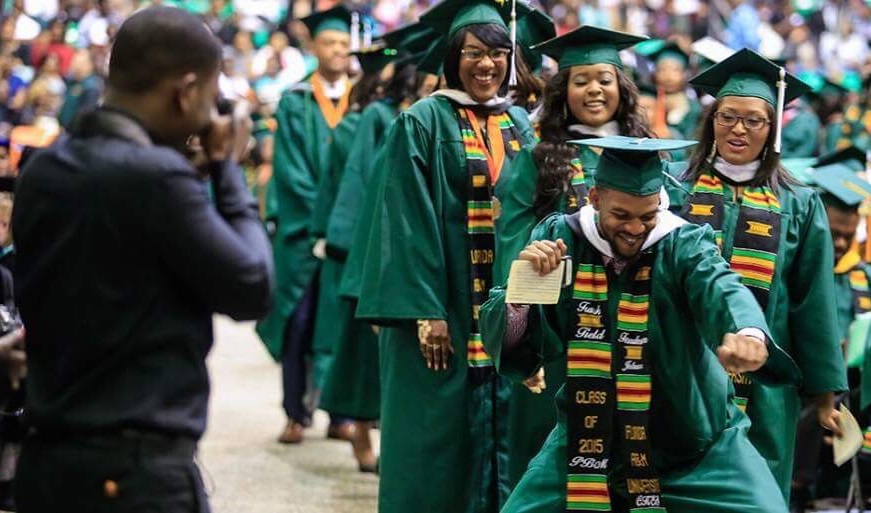
In the 1980s, Kente began to grow in public awareness with the rapid expansion of hip-hop culture. Hip-hop clothing companies made design variations using Kente cloth on T-shirts, warm-up suits, jackets and caps. Rappers Salt N’ Pepa and others wore Kente hats that were popular among hip-hop youth. These motifs reflected the idea of hip-hop creating something new and innovative with African aesthetics and traditions. In the 1990s, Kente became further popularized by Black students wearing Kente stoles at colleges and university graduations, honoring the significance and dignity of their deep Ancestral ties. With time, in terms of fashion, Kente has become comparable to an evening gown or tuxedo in Western cultures. When Kente is worn on ceremonial occasions, it not only recognizes an Ancestral connection to Africa, but it also brings honor and prestige to the event.

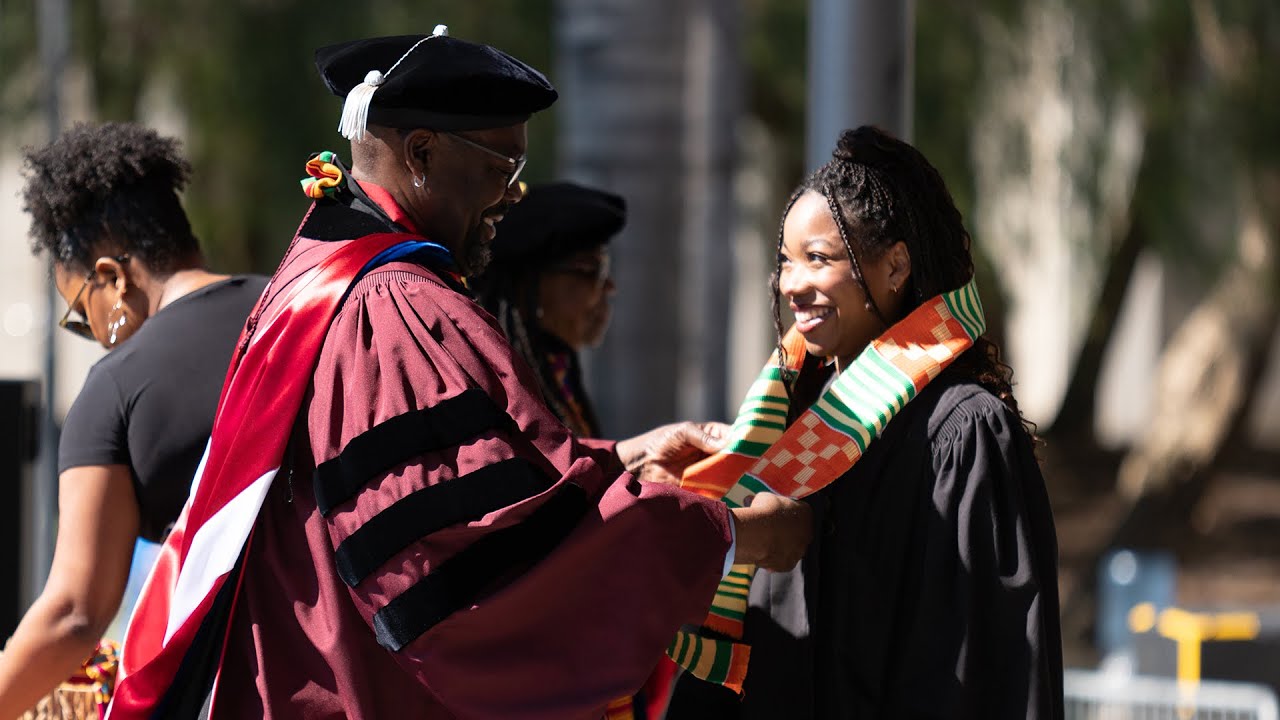

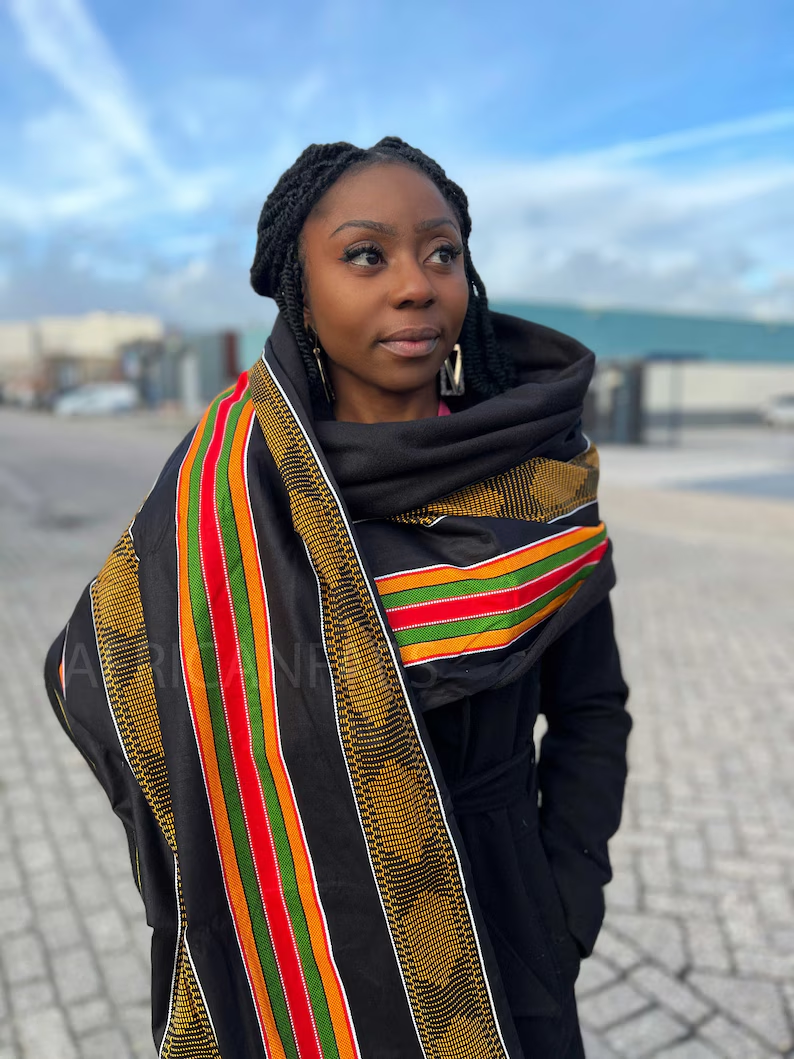
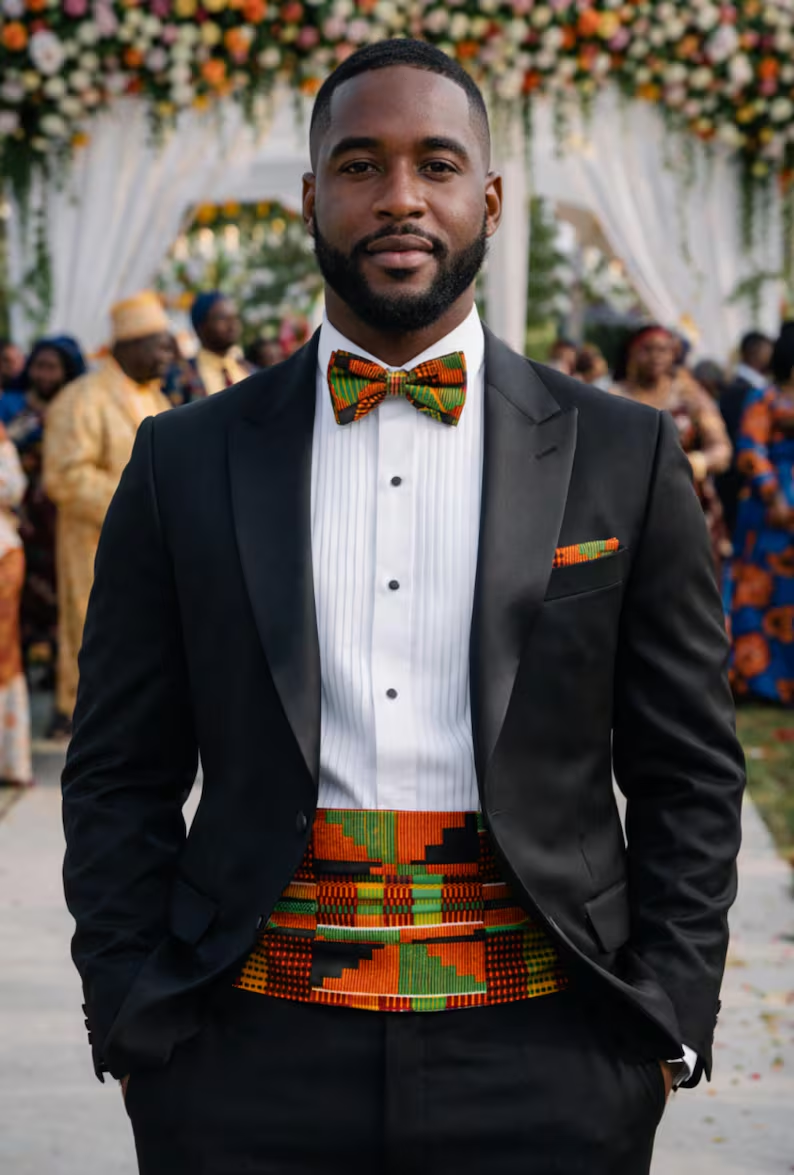
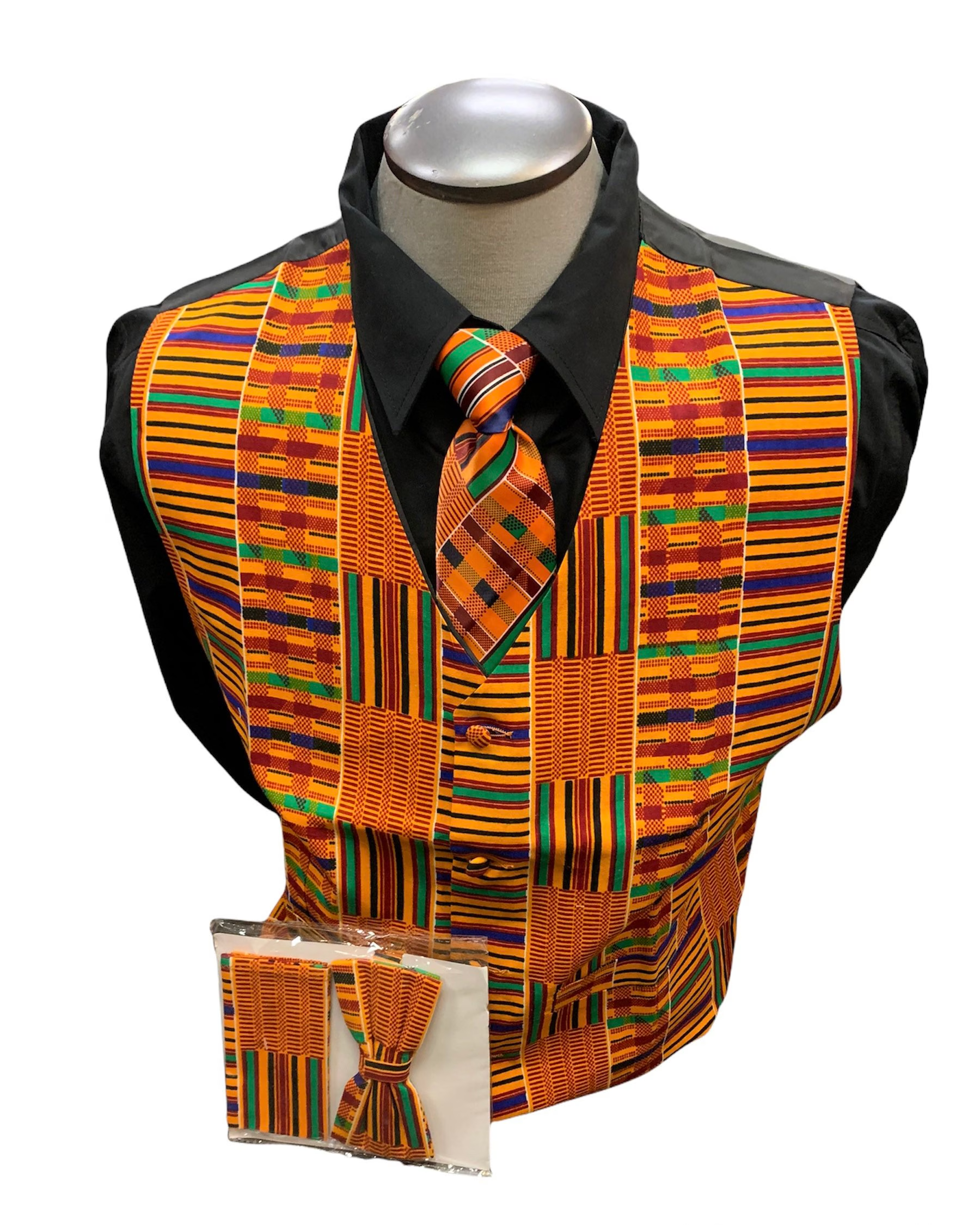

United States Poet Laureate Amanda Gorman, in a Kente Robe designed by the late Ghanaian American designer, Virgil Abloh. Kente has deeply touched African American culture with the idea that descendants of enslaved Africans have an inherent dignity and inner strength, making them Kings and Queens. Virgil Abloh embodied the global trend toward an “African Renaissance,” a symbiosis of African, African American and Africa Diaspora cultural and generational influences.
 Kwasi Asare: Master Kente Weaver, Mathematician and Teacher